
Clinic Reflection – ApoB and Lp(a)
There was some confusion this past week around ApoB and Lp(a). First with a patient, and then again a couple of days later with a different patient’s PCP.
So… clearly this became a topic for this week.
These two tests are both related to lipids and cardiovascular risk, but they are not interchangeable.
ApoB tells us about the quantity of potentially plaque-forming particles moving through the bloodstream.
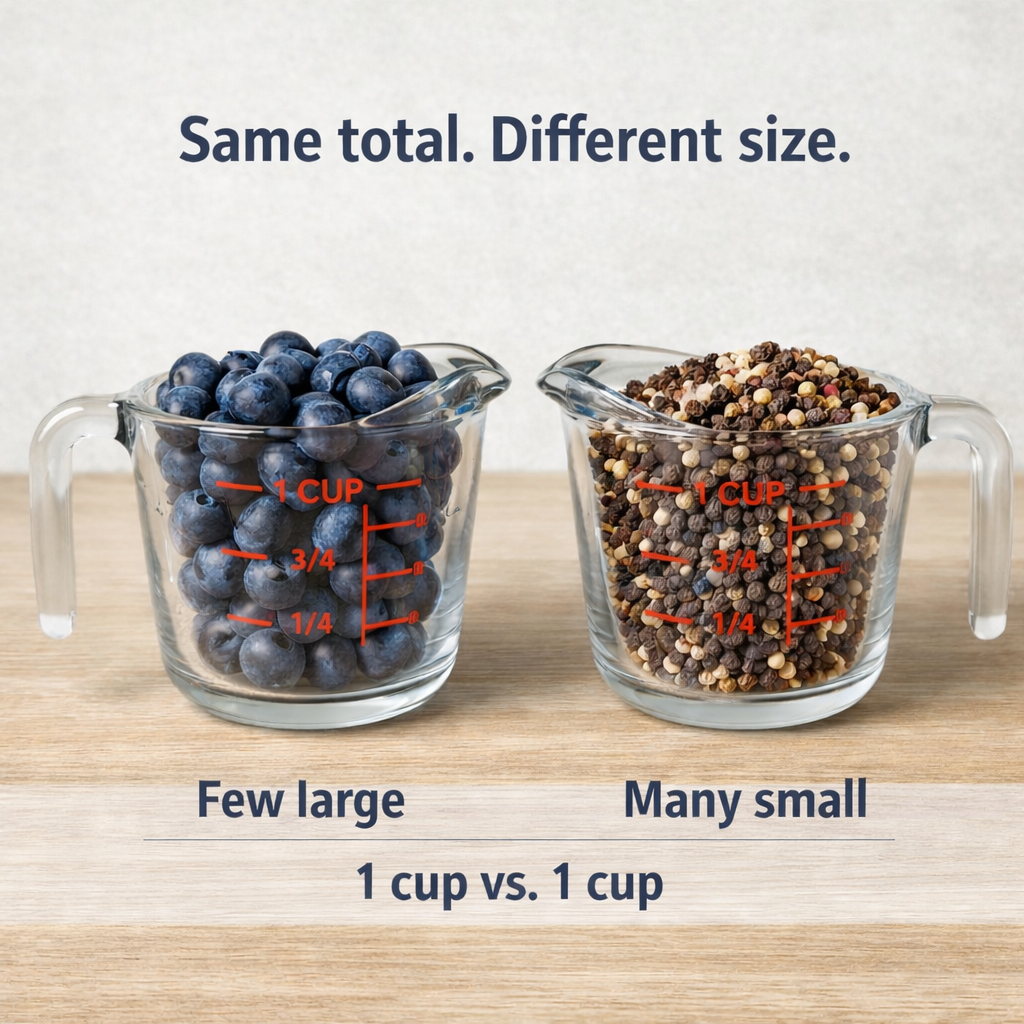
Two people can have the same cholesterol amount (which is a total mass value), but have very different numbers of particles. One person may have fewer, larger particles. Another may have many more smaller particles. And yet the total cholesterol can look the same.
Why does that matter? Because more particles means more chances to interact with the vessel wall — and therefore more opportunities for plaque formation and vascular damage.
Lp(a) is a specific type of LDL particle with an added protein attached to it. That added structure changes its behavior.
Even though Lp(a) appears to play a role in wound repair and tissue healing, higher levels are also associated with increased cardiovascular risk because they are more likely to contribute to plaque formation and can interfere with normal clot breakdown.
Another important difference is that Lp(a) is largely genetic. It usually stays fairly stable over a lifetime and does not tend to change much with diet or lifestyle. That is why it often only needs to be measured once as part of a broader risk assessment.